
Ink, Stamps, and Miles: Making Journeys You Can Hold
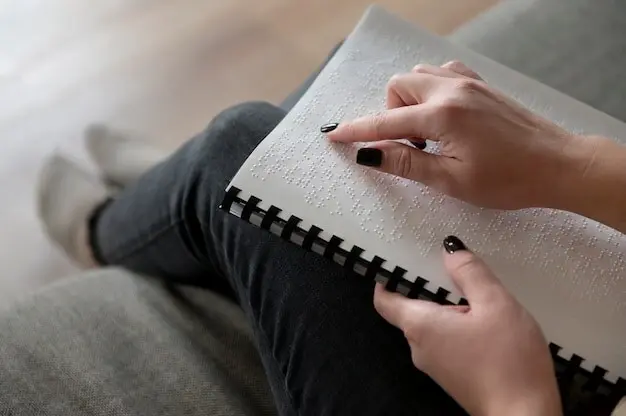
Today we dive into letters and zines from the journey — building a tangible travel narrative through post. From train-table scribbles and midnight hostel collages to stamps, postmarks, and the thump of sorting offices, we will transform miles into mementos that ask to be held, re-read, and shared. Expect practical kits, design strategies, mailing wisdom, and warm stories that prove paper can carry a heartbeat across oceans more faithfully than any timeline or feed.

Why Paper Carries Distance Better Than Memory
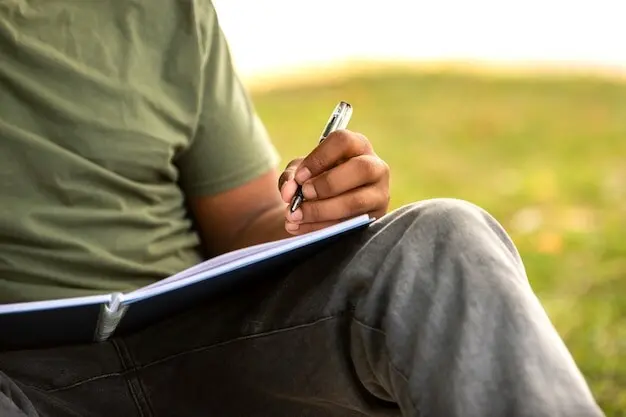
Across centuries, travelers have trusted envelopes and folded pamphlets to preserve moments that otherwise dissolve into haze. Handwriting slows the mind, anchoring details with texture and scent, while postmarks stamp time, place, and the remarkable fact that a human hand moved this message. Zines extend that intimacy, multiplying a tiny press run so friends can hold your footsteps, compare notes, and feel the grit of a road even when screens go dark and signals fade.

Field-Worthy Papers and Envelopes

Choose paper that forgives rain dots and sweaty palms: 100–160 gsm stocks with light tooth for pencils, or smooth, fountain-pen-friendly sheets to avoid feathering. Keep a mix of A6 cards and folded A5 spreads for flexible page counts. Envelopes with strong seams, peel-and-seal closures, and darker linings protect privacy and survive sorting belts. Aerogram-style lightweights excel for international postage, while kraft options invite stamping, collage, and the satisfying patina of honest, well-traveled wear.

Tools That Survive Backpacks

Pack pens you trust and can refill on the road. Waterproof, fade-resistant inks protect sketches from drizzle and coffee surprises. A compact metal ruler, micro-scissors, and a glue stick pass most security checks, but confirm rules before flights. Mini staplers and spare staples bind spreads fast; binder clips tame wind. A needle, waxed thread, and washi tape repair pages and bags alike. Nest everything in a pencil wrap so rummaging never steals your writing hour.

A Ritual for Writing Anywhere

Claim small windows: ten minutes while noodles soften, two stops before your metro transfer, twilight after boots come off. Start with three sensory notes, one overheard phrase, and a sketch of today’s horizon line. Fold, glue, and stamp before second-guessing joins the table. Seal while your courage is warm; address from your notebook so errors do not grow. This ritual transforms cramped corners and noisy platforms into a faithful studio you can rely on.

From Notes to Narrative: Designing the Travel Zine

Gather scraps, tickets, napkin maps, and postcards, then arrange them into a sequence that reveals change: landscapes widening, weather turning, friendships forming. Consider single-sheet mini-zines for quick dispatches or stitched signatures for longer arcs. Use grids to anchor photos and hand lettering for warmth. Let captions do quiet labor, naming dates, tastes, and coordinates. Design serves the route, not perfection, so paper edges may show, and fingerprints become punctuation for places your body actually crossed.

Choosing a Format That Matches Your Route

A sprinting itinerary favors single-sheet mini-zines folded into eight panels you can finish between stations. A slower pilgrimage loves saddle-stitched booklets where repeated vistas find rhythm across spreads. If your bag is tiny, make accordion folds that store flat, expanding to a map-like reveal. Let the terrain decide: mountain switchbacks suggest stacked vignettes, river journeys invite long horizontal flows. The form should feel inevitable, as if the road itself taught you how to bind.

Typography, Marks, and Margins

Legibility beats cleverness when your reader is squinting on a bus. Mix friendly sans-serifs for notes with a typewriter face for captions, then let handwriting puncture the system wherever the heart insists. Keep generous margins for gluing ephemera, and commit to a small family of marks—arrows, underlines, hatchings—so pages hum, not shout. Balance images at the spine to avoid creep. Above all, let breath exist; white space is the silence that amplifies footsteps.

Duplicating Without Losing Soul

Photocopying loves high-contrast originals. Scan at crisp resolution, then test prints to preserve pencil grain and ink pools. Risograph offers texture, misregistration charm, and vibrant soy inks; choose two colors that echo your route’s mood. Z-fold or staple without crushing edges; trim minimally to keep hand-cut life. Consider a colophon noting where each page was drafted. Even in multiples, retain tactile signals—rubber stamps, blind embossing, or a smudge—so every copy remembers being born on the road.

Stamps, Postmarks, and Found Ephemera

Hunting for Stories at Counters and Markets

Visit post offices at opening, when lines are kind and clerks have patience for curious questions about cancellations, pictorial postmarks, and special issues. Flea markets hide stamp packets that whisper geography in miniature. Ask vendors for the history behind a design; often you will gain a tale worth more than ink. Photograph signage respectfully, then copy essential details longhand. These conversations become annotations that enrich your pages far beyond what any adhesive alone can provide.

Integrating Maps, Receipts, and Tickets

Trim bulky edges without erasing provenance. Use acid-free glue, photo corners, or washi hinges so items remain reversible. Stamp dates near attachments; pencil short legends to clarify currencies, languages, and routes. A faint thread can stitch a path across multiple spreads, guiding readers from quay to cafe to ridge. Layer translucent papers over maps to highlight turns. Resist clutter: leave resting places for eyes, letting one faded receipt evoke the entire appetite of an evening.

Scent, Sound, and Tactility on the Page

Texture remembers what language forgets. Press a sprig under a tissue only if customs allows; otherwise, sketch it and note the aroma like a weather report. Wax seals add ritual without leaking; embossing whispers under fingertips. Record sounds as words—clatter, hush, gulls—then letter them gently along gutters. Avoid perishable additions that may mold in transit. Let fabric scraps, sandpaper tabs, or thread knots hint at terrain, turning each spread into a small, reliable instrument of place.

Sending from the Road: Practicalities and Grace

Finding Dependable Dispatch Points

Map official post offices in advance, star kiosks that locals recommend, and watch for pickup schedules stamped on boxes. In remote areas, ask cafes or hostels if outgoing mail is collected by staff. Save receipts and tracking where available; they calm nerves when oceans intervene. If storms or strikes arise, pivot to registered mail or delay with a postcard explaining the pause. Posting wisely does not blunt romance; it protects the intimacy you worked so carefully to craft.

Addressing, Postage, and Timing

Print clearly with dark ink, avoiding cursive if machines will read the lines. Write house number and street first where customary, then state, postal code, and country in uppercase on the last line. Weigh bundles to prevent returns; add correct denominations rather than hopeful extras. Photograph each piece before sending to aid tracking conversations. Advise recipients of estimated windows so they check mailboxes with joy, not anxiety. Good timing feels like another gift wrapped inside your message.

Borders, Forms, and Surprises

For zines and small prints, a CN22 or equivalent customs form may be required. Describe contents as printed matter with accurate weight and low declared value when appropriate. Avoid enclosing seeds, soil, or food that provoke quarantine. Cushion corners against crushing, especially with stitched spines. Expect outliers: a late cancellation, a scenic detour through an unexpected hub, an envelope arriving perfumed by a different city’s rain. Treat surprises as marginalia, annotating your map with grace rather than worry.

Community, Exchanges, and Keeping It Alive

Travel letters shine brightest when they circulate through friendly hands. Build gentle exchanges with pen pals, mail art calls, and zine swaps. Invite readers to share postal addresses or stories, promising considerate cadence and privacy. Consider a post office box, monthly mail-outs, and collaboration issues. Ask questions that itch to be answered. Encourage subscriptions, comments, and small replies—a sticker, a stamped card, a memory—to keep momentum. The road continues when the mailbox becomes a trusted gathering place.
Offer a standing invitation at the end of each issue: send me a line, a tiny map, a stamp that made you smile, or a question I can answer on paper. Share a prompt, like today’s horizon or last night’s kindness. Invite readers to forward your address to a friend who needs a pocket voyage. Gentle asks create generous circles. Respond personally when possible, seeding a culture where correspondence feels alive, reciprocal, and joyfully sustainable for everyone involved.
Use double opt-in forms so nobody is added without consent, and store addresses offline in a notebook you would gladly guard. Segment international and domestic groups for accurate postage planning. Share mailing dates transparently and invite pauses when recipients need rest. Respect privacy; never post addresses in photos. Offer pay-what-you-can stamps or trades to keep exchanges accessible. A thoughtful list is a garden: tended regularly, watered with gratitude, and pruned when overgrowth threatens the health of your schedule.
Scan outgoing and incoming pieces, capturing handwritten textures at high resolution, then log dates, routes, and collaborators in simple spreadsheets. Curate pop-up displays at libraries or cafes, inviting contributors to see their words traveling again. Deposit copies with zine libraries, and consider an ISBN if a run expands. Publish a finding guide that credits every helpful postal clerk. Archives are not endings; they are trail markers, letting new readers step onto the path and continue it forward.
Daxizentomexoxari
Privacy Overview

This website uses cookies so that we can provide you with the best user experience possible. Cookie information is stored in your browser and performs functions such as recognising you when you return to our website and helping our team to understand which sections of the website you find most interesting and useful.